Are the diplomas of Swiss schools recognised worldwide?
By Antoine C.
This is one of the most common questions from non-Swiss parents who are considering enrolling their child in an international school in Switzerland: will the degree obtained be recognized in their country of origin, or in the intended university destination? The answer depends on the degree chosen, the host education system and the bilateral agreements in force. Here is an overview of the main titles issued in Switzerland and their international recognition.
What are the main degrees offered in Switzerland?
Swiss international schools award several types of secondary and higher diplomas, each of which opens up to a specific university path. Three major families coexist.
The International Baccalaureate (IB) is awarded by institutions accredited by the International Baccalaureate Organization. It is one of the most widely recognized degrees in the world.
The Swiss Maturité is the national secondary school leaving diploma, issued by public gymnasiums and some private schools. It opens up direct access to Swiss universities and enjoys excellent international recognition.
The British and American programs (IGCSE, A-Levels, American High School Diploma) are also offered in several international schools in Switzerland, opening up to Anglo-Saxon and North American universities respectively.
In addition to these secondary diplomas, there are diplomas from specialized higher education schools, in various fields (hospitality management, international business, American universities), which benefit from specific recognition related to their sector of activity.
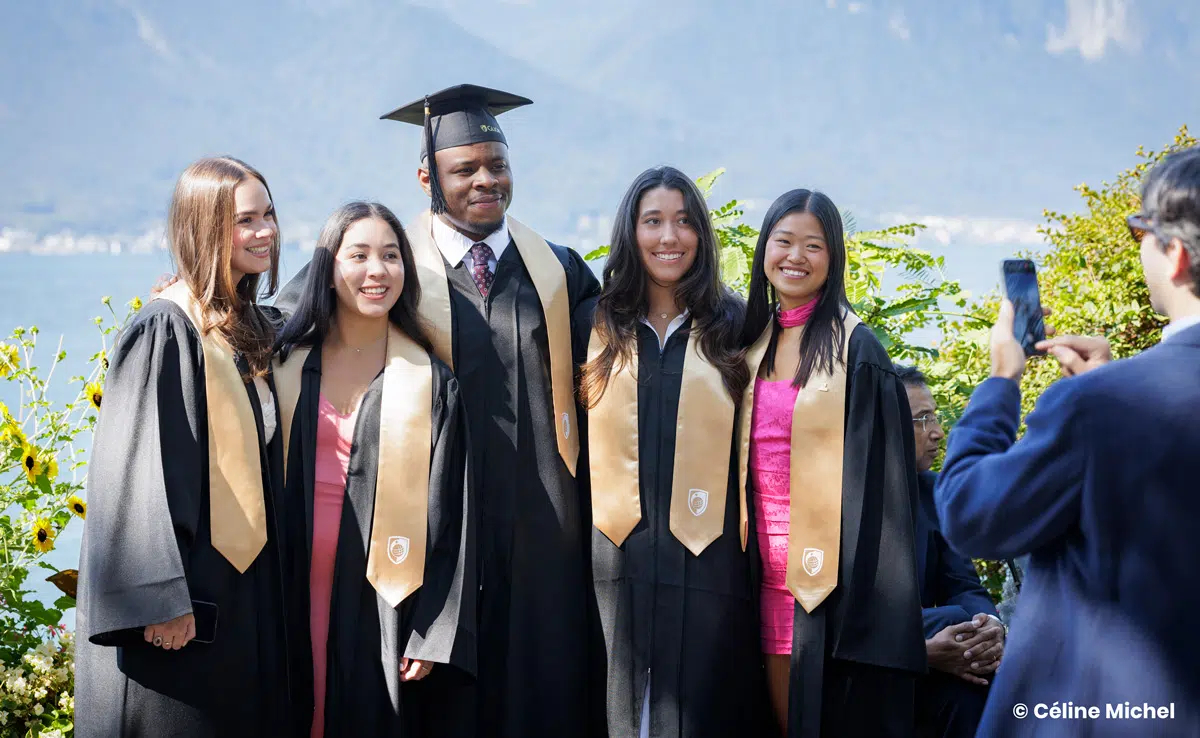
Swiss diplomas are highly recognised by international universities
Recognition of the International Baccalaureate (IB)
The International Baccalaureate is probably the most universally recognized secondary degree. Awarded in more than 150 countries, it is accepted by almost all universities in the world, whether they are Anglo-Saxon, European, Asian or Latin American.
There are several reasons for this broad recognition. The programme is based on globally harmonised academic standards, with external assessments monitored by the IB Organization. The diploma validates a multidisciplinary training including six subjects, a dissertation, a theory of knowledge course and a personal commitment component. Universities see it as a reliable indicator of a student's ability to pursue demanding higher education.
In concrete terms, an IB obtained in a Swiss international school allows you to apply to Swiss, British, American, French, German, Canadian, Australian and Asian universities. Equivalence scales vary by country: some universities take into account the total score out of 45, others require minimum grades on the main subjects (Higher Level).
Haut-Lac International Bilingual School prepares its students for the IB programme, in the tradition of international recognition that characterises international schools in the region.
The Swiss Maturité and its international scope
The Swiss Maturité, the national secondary school leaving diploma, enjoys an excellent academic reputation. It opens up direct access to all Swiss public universities without a competitive examination.
Internationally, the Maturité benefits from several recognition agreements. It is accepted by most European universities via the Bologna system, which harmonizes the degrees of the Old Continent. In the United States and Canada, it is widely recognized by universities, which can request a supplement (TOEFL, SAT) depending on the course. In the United Kingdom, equivalence with A-Levels is generally accepted by universities, subject to proficiency in English.
In some countries (Middle East, Asia, Latin America), recognition is achieved through a certification procedure with the local education authorities, who may request a certified translation and official equivalence.
The Monte Rosa Institute, which offers a wide range of academic programs (American High School, British A-Levels, Swiss program), accompanies its students towards the diploma best suited to their university project.
Diplomas from Swiss universities
Switzerland has a historic place in specialised higher education, particularly in the hotel and international management professions. The higher education institutions in the region benefit from direct professional recognition on a global scale, each within its own perimeter.
The Glion Institute of Higher Education awards Bachelor's and Master's degrees in hospitality management and luxury management. Founded in 1962, the institute prepares students with the professional know-how and interpersonal skills demanded by the most demanding employers in the industry. In the QS World University Rankings 2026, Glion ranks 3rd worldwide in the hospitality and leisure management category.
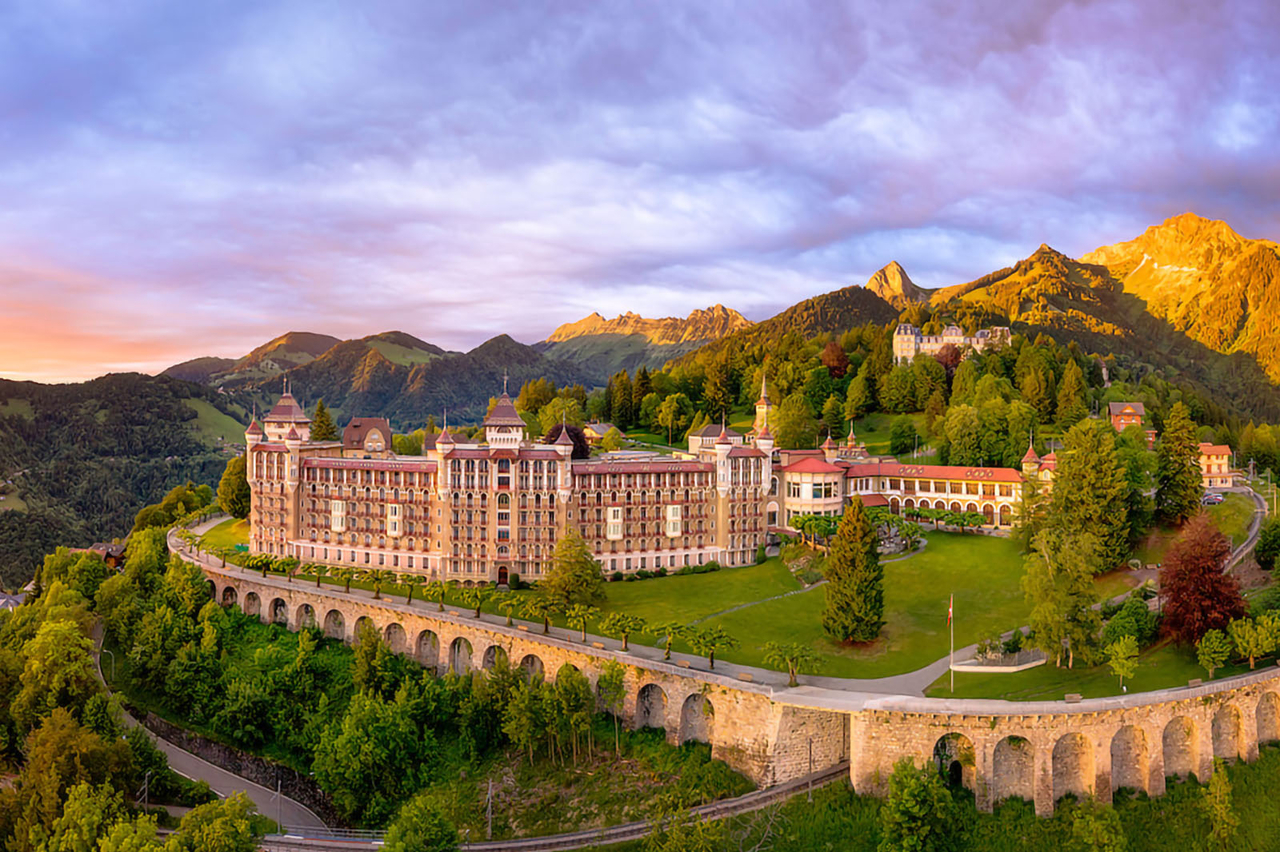
SHMS - Swiss Hotel Management School offers world-class hospitality education that merges Swiss hospitality tradition with current industry trends, at its historic campuses in Caux and Leysin. The SHMS is recognized in Switzerland as a Higher School with a federal diploma in hotel and catering and is ranked 4th in the world in the QS Ranking 2026 in the hospitality and leisure management category.
HIM Business School is an international business school based in Montreux, organized around four majors: marketing, finance, hospitality and management. The school is in the process of being recognized as a Higher School (ES) with a federal diploma in business administration. The curriculum, oriented towards Generation Z, integrates role-playing, internships and cultural diversity.
Pepperdine University offers an international program in Switzerland at a leading American university, renowned for its small class sizes, personalized support and six international campuses. His degree benefits from American academic recognition, which is particularly valued in the North American and international job market.
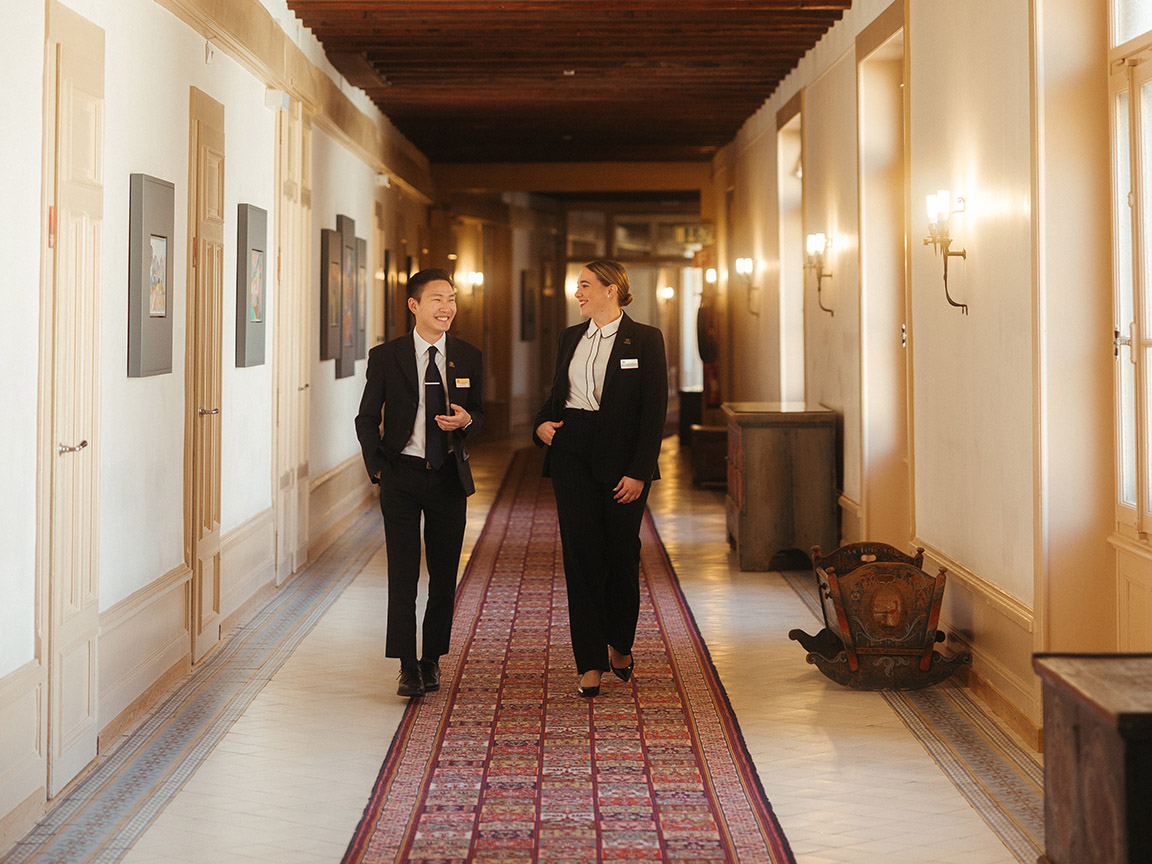
Swiss degrees open the doors to universities and companies on all continents
How to check recognition in your country of origin?
The effective recognition of a Swiss diploma in the future student's country of origin depends on several factors. A few preliminary checks can avoid unpleasant surprises.
Consult the educational authority of the country of origin. Most countries have an official body for the recognition of foreign diplomas (ENIC-NARIC in Europe, for example). A prior request for evaluation makes it possible to know the official equivalence that will be granted to the diploma.
Check the specific requirements of the universities concerned. Beyond official recognition, each university has its own admission criteria. A university may require minimum grades, language prerequisites or complementary exams (SAT, ACT, IELTS, TOEFL).
Anticipate legalization and translation procedures. For countries outside the European Union, the Swiss diploma often has to be apostilled and translated by a sworn translator before being presented to the authorities of the country of origin.
Find out about the bilateral agreements between Switzerland and the country concerned. Several conventions facilitate the automatic recognition of diplomas in certain countries, and their knowledge can considerably simplify the procedures.
International schools in the region usually have a university guidance service (counselling) that accompanies students in these checks, sometimes several years before graduation.
Diplomas awarded by Swiss international schools enjoy strong global recognition, whether it is the International Baccalaureate, the Swiss Maturité, the British and American programs, or specialized higher education courses. The exact scope of the diploma depends on the course chosen and the plan to continue your studies. Anticipating recognition checks in the country of origin, as soon as you enrol, remains the best way to guarantee a smooth path between schooling in Switzerland and the next university or professional stage.