Do I need a medical visa to be treated in Switzerland?
By Antoine C.
Travelling to Switzerland for medical treatment sometimes involves specific administrative procedures. Depending on your nationality, the expected length of stay and the nature of the treatment envisaged, obtaining a visa may be mandatory. This article provides an update on the conditions of entry for medical reasons and the steps to follow to prepare for your visit.
Medical visa or Schengen visa: what you need to know
Switzerland has been part of the Schengen area since 2008. In concrete terms, this means that the rules for entering Switzerland for a medical stay follow those of the Schengen area, without a specific visa called a "medical visa". The distinction is made on the length of the stay and the nationality of the patient.
For European Union and EFTA nationals, no visa is required, regardless of the duration of the treatment. A simple valid identity document is sufficient to enter Switzerland, and a residence permit becomes necessary after three months.
For third-country nationals (Gulf, Russia, China, India, some African and Latin American countries), the rules depend on the time spent in Switzerland. A stay of less than 90 days in a 180-day period requires a short-stay Schengen visa (type C). Beyond 90 days, a national long-stay visa (type D) is required, accompanied by an application for a residence permit.
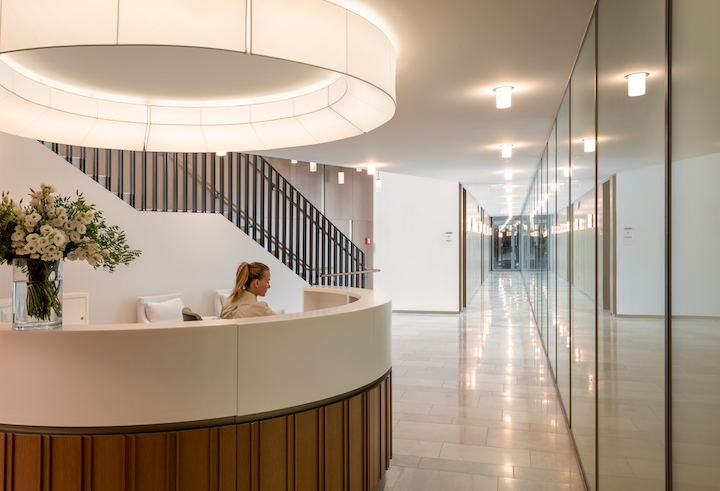
The administrative procedures vary according to the nationality and the duration of the medical stay
When is the Schengen visa sufficient for a medical stay?
The short-stay Schengen visa covers the majority of medical situations: specialized consultations, health check-ups, surgical procedures with short convalescence, revitalization cures, aesthetic treatments. As long as the stay does not exceed 90 days, this visa allows you to enter Switzerland for medical reasons without any additional formalities.
To obtain it, the patient submits his or her application to the Swiss embassy or consulate in his or her country of residence, usually several weeks before departure. Typical supporting documents include:
- Passport valid for at least three months after the intended return date
- Completed Schengen Visa Application Form
- Passport photo in accordance with biometric standards
- Financial proof covering the duration of the stay
- Travel insurance with medical coverage of at least 30,000 euros
- Letter from the Swiss medical establishment confirming coverage
- Quote or estimate of processing fees
- Proof of accommodation in Switzerland
The clinic's letter is a central part of the file. It must specify the nature of the treatment, the expected duration, the contact details of the referring doctor and confirm the patient's ability to pay for the care.
Cases requiring a long-stay visa
Some treatments require a presence in Switzerland for more than 90 days: behavioural rehabilitation programmes, long-term psychiatric care, extended post-operative or neurological rehabilitation programmes. In these situations, a national type D visa becomes necessary.
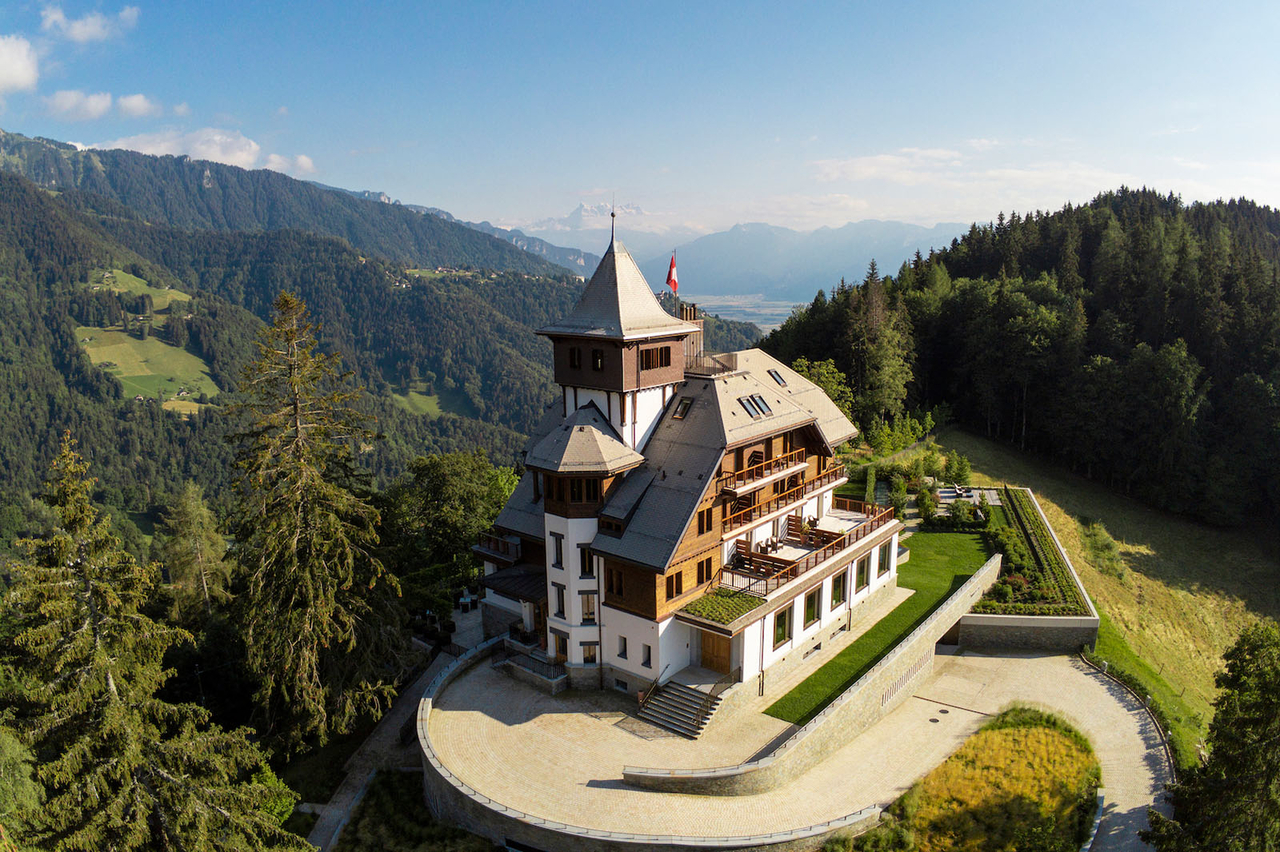
The Clinic Les Alpes, a high-end addiction rehabilitation and psychiatric care clinic located in Les Avants, offers residential stays that often exceed this threshold.
Clinique Valmont, a reference rehabilitation centre since 1905, also welcomes patients for extended periods of time in the context of neurological or orthopaedic rehabilitation according to the defined protocol.
The application for a long-stay visa is made at the competent Swiss representation and is accompanied by a more demanding procedure: detailed medical justification, proof of significant financial means, certificate of accommodation, and coordination with the competent cantonal authority to obtain the residence permit on arrival.
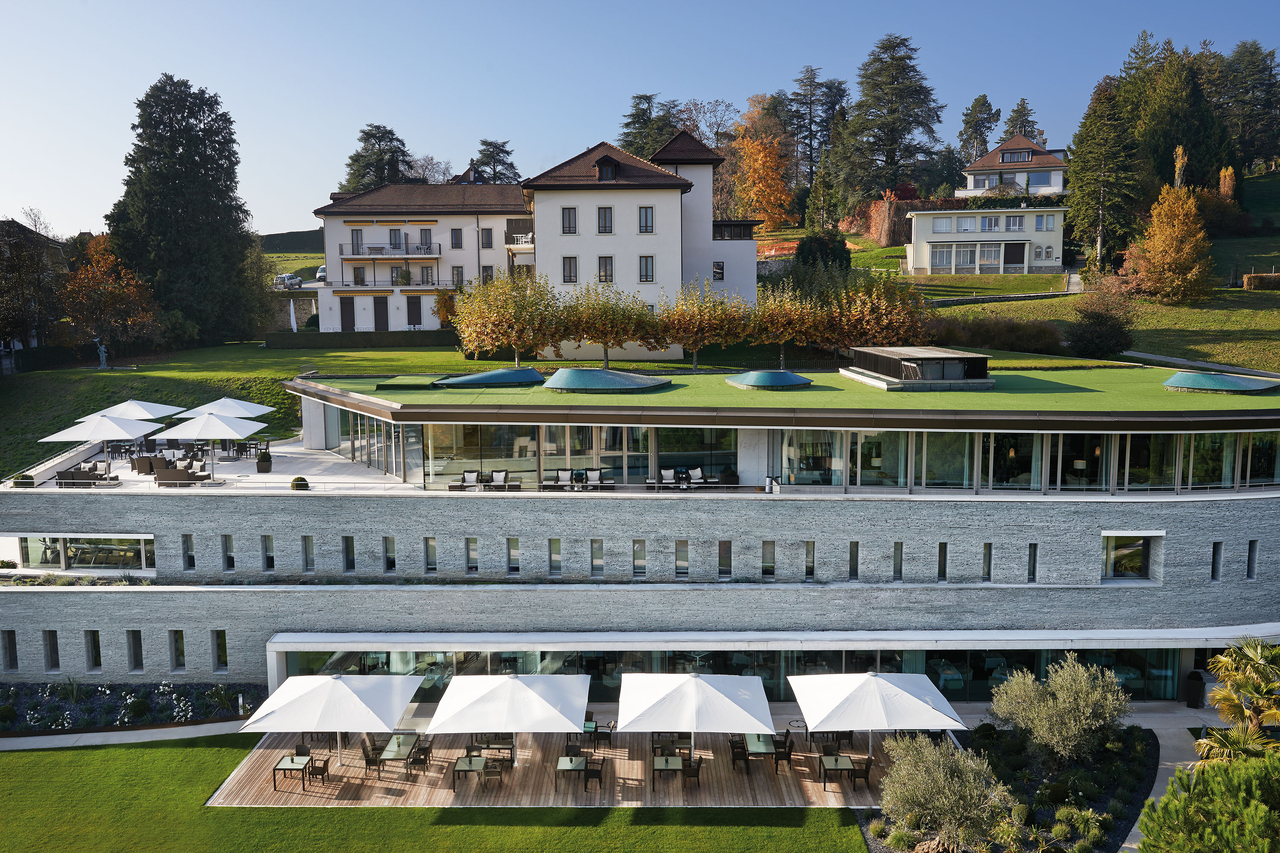
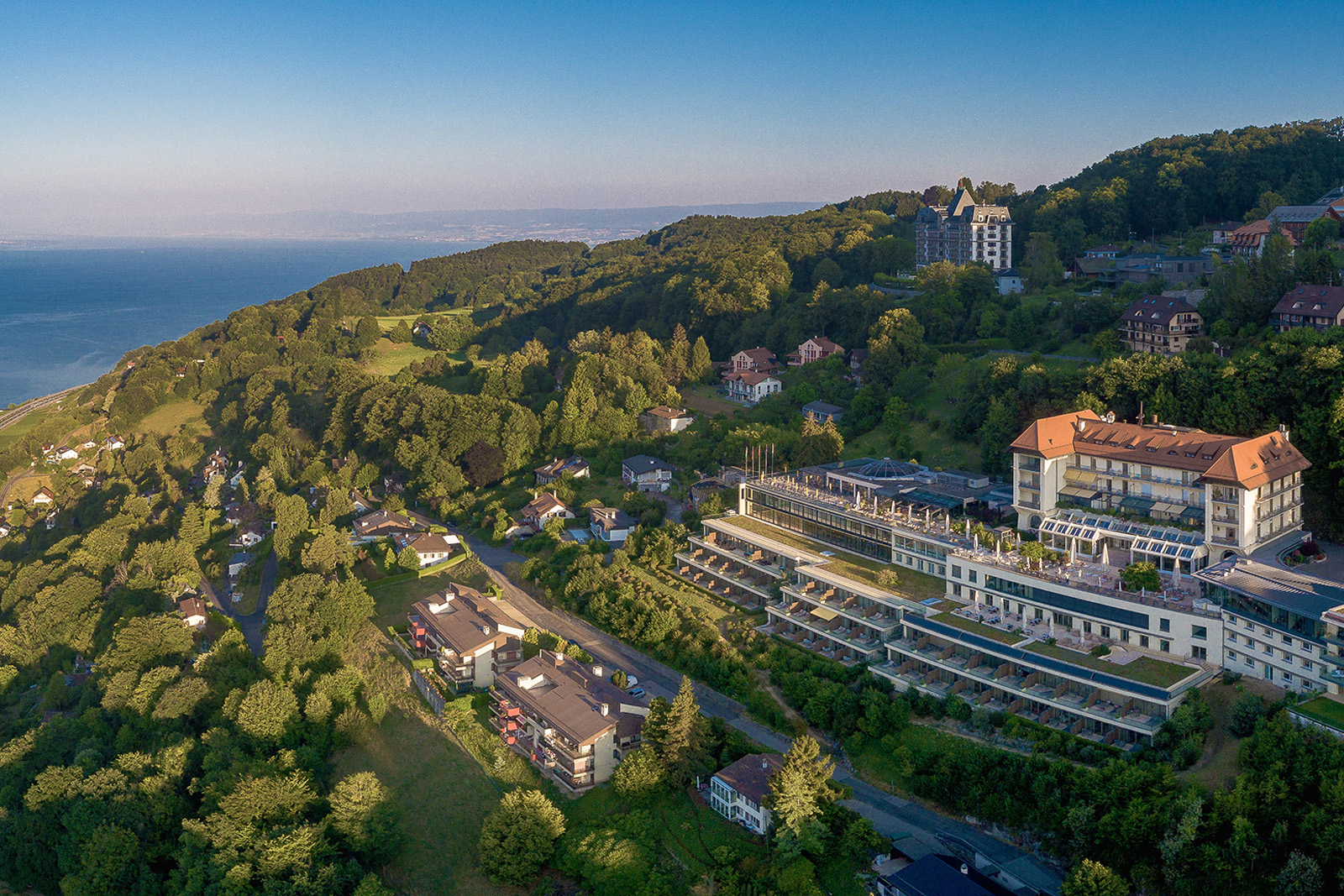
Clinique La Prairie welcomes patients for extended stays dedicated to orthopaedic recovery and rehabilitation. The clinic also offers personalized “à la carte” stays, allowing each patient to organize their stay according to their specific needs.
Prepare your medical file in advance
Beyond the visa formalities, the patient's medical file plays a decisive role in the fluidity of the stay. Swiss clinics generally recommend that all relevant medical information be sent before travelling, ideally translated into English or French.
The elements to be prepared include medical reports, the results of recent examinations (imaging, biological analyses), the history of the treatments followed and the list of current medications. The more complete the file, the more effective the first consultation in Switzerland.
Several establishments on the Riviera have services dedicated to international patients who support this preparation upstream:
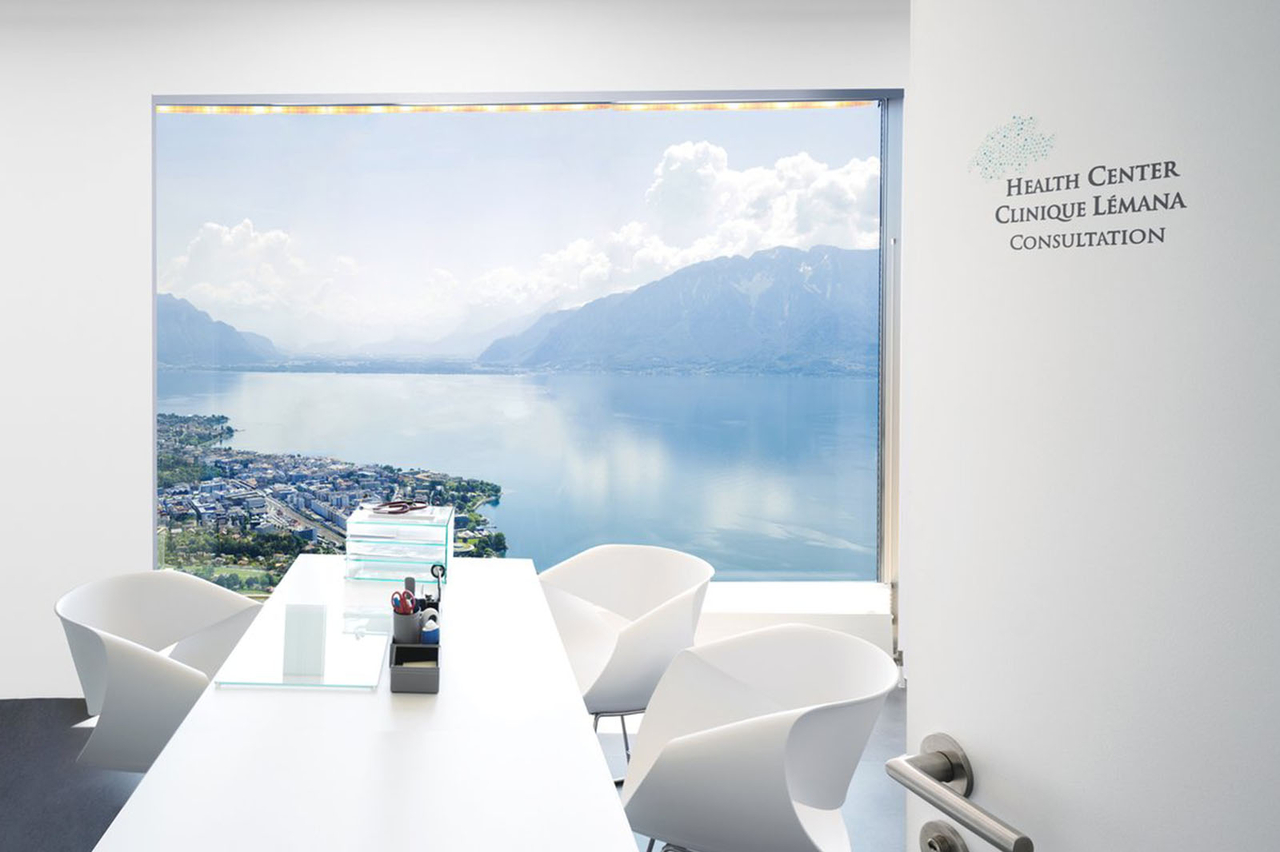
- The Health Center Clinique Lémana, a centre for preventive anti-ageing medicine since 1952, located in Mont-Pèlerin, supports its international patients in the preparation of their revitalisation programme.
- Laclinic-Montreux, specializing in aesthetic surgery and anti-aging medicine, supports patients throughout the entire process, notably by preparing the invitation letter from the attending physician as well as the letter from the management.
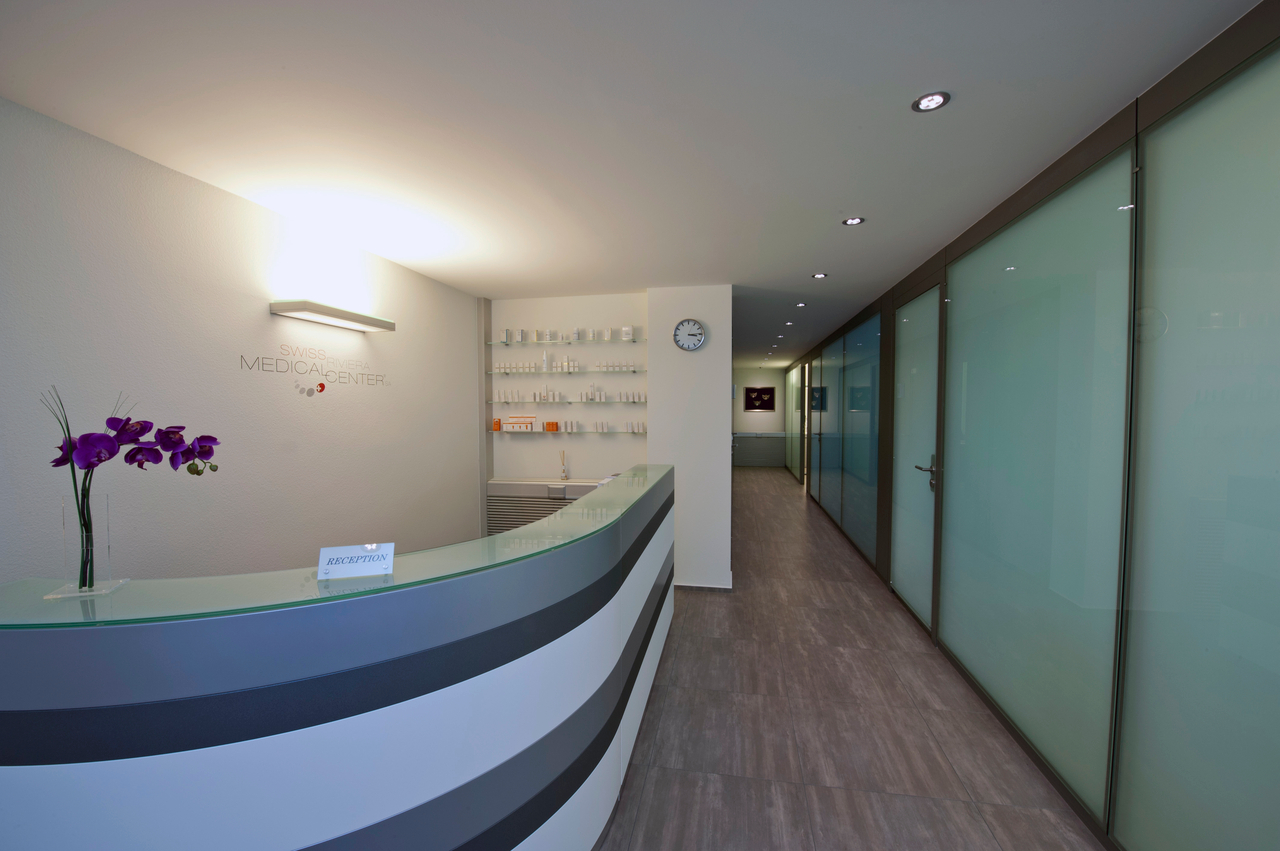
- In addition, Swiss Riviera Medical Center offers dedicated multilingual assistance, helping to facilitate and streamline all necessary arrangements prior to the patient’s stay.
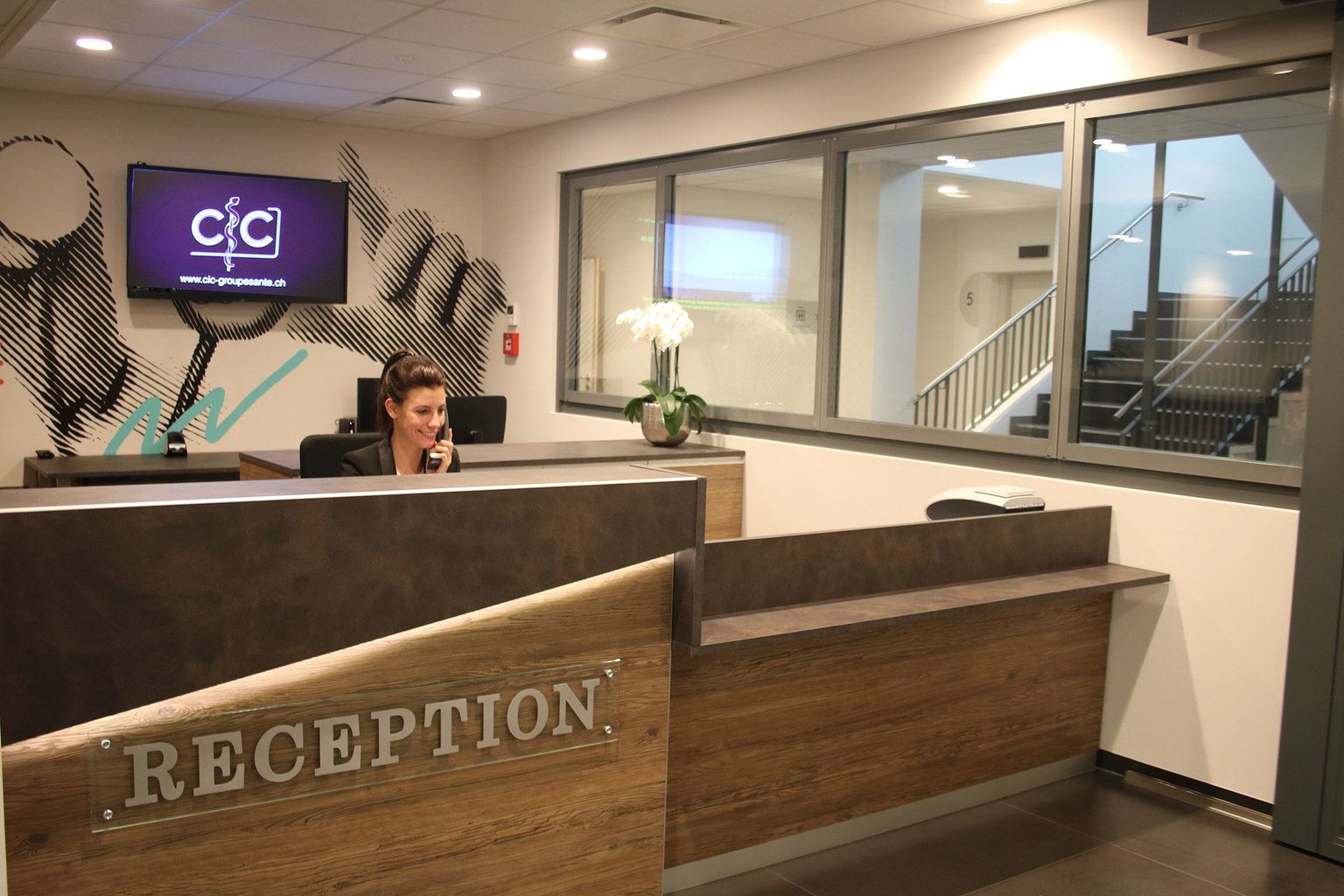
Swiss clinics support international patients in their administrative procedures
Deadlines, costs and practical advice
The processing time for a Schengen visa application is usually 15 working days, with variations depending on the country and the time of year. For a long-stay visa, it takes several weeks, sometimes several months depending on the complexity of the file and the cantonal checks.
The visa fee is approximately 80 euros for a Schengen short-stay adult (rates subject to change), to which may be added the service fee of the application centre. Long-stay visas have a variable cost depending on the canton of destination and the associated authorizations.
A few practical recommendations can help avoid the most common pitfalls. Anticipate demand at least six to eight weeks before the scheduled care date. Check with the clinic to ensure that the letter of coverage meets the consular requirements of the country of residence.
Take out international medical insurance that covers not only care, but also possible medical repatriation. Keep all original documents during the stay, in particular the contract with the clinic and financial receipts.
Seeking treatment in Switzerland for international patients does not require a medical visa in the strict sense, but an administrative procedure structured according to nationality and the duration of treatment. A good anticipation of the formalities, in conjunction with the chosen clinic, guarantees a serene arrival and a care pathway focused on the essential: the patient's health.