At what age should you enrol your child in an international school in Switzerland?
By Antoine C.
Choosing the right time to join an international school in Switzerland is a decision that regularly comes up among parents in the reflection phase. Primary, secondary, post-baccalaureate: each level offers specific advantages, and there is no universal answer. The right time depends on the child's profile, the family project and the educational objectives sought.
Is there an ideal age to join an international school?
There is no single ideal age. The best registration period depends on three factors: the child's maturity, his or her relationship with foreign languages and the planned higher education project.
A 6-year-old child will benefit from natural language immersion; a 14-year-old will choose his or her curriculum according to the university system in question; A young adult will join a higher education school for a specialized course.
Each entry level corresponds to a different logic. Understanding these three key moments allows you to position the registration at the right time, without haste or regret.
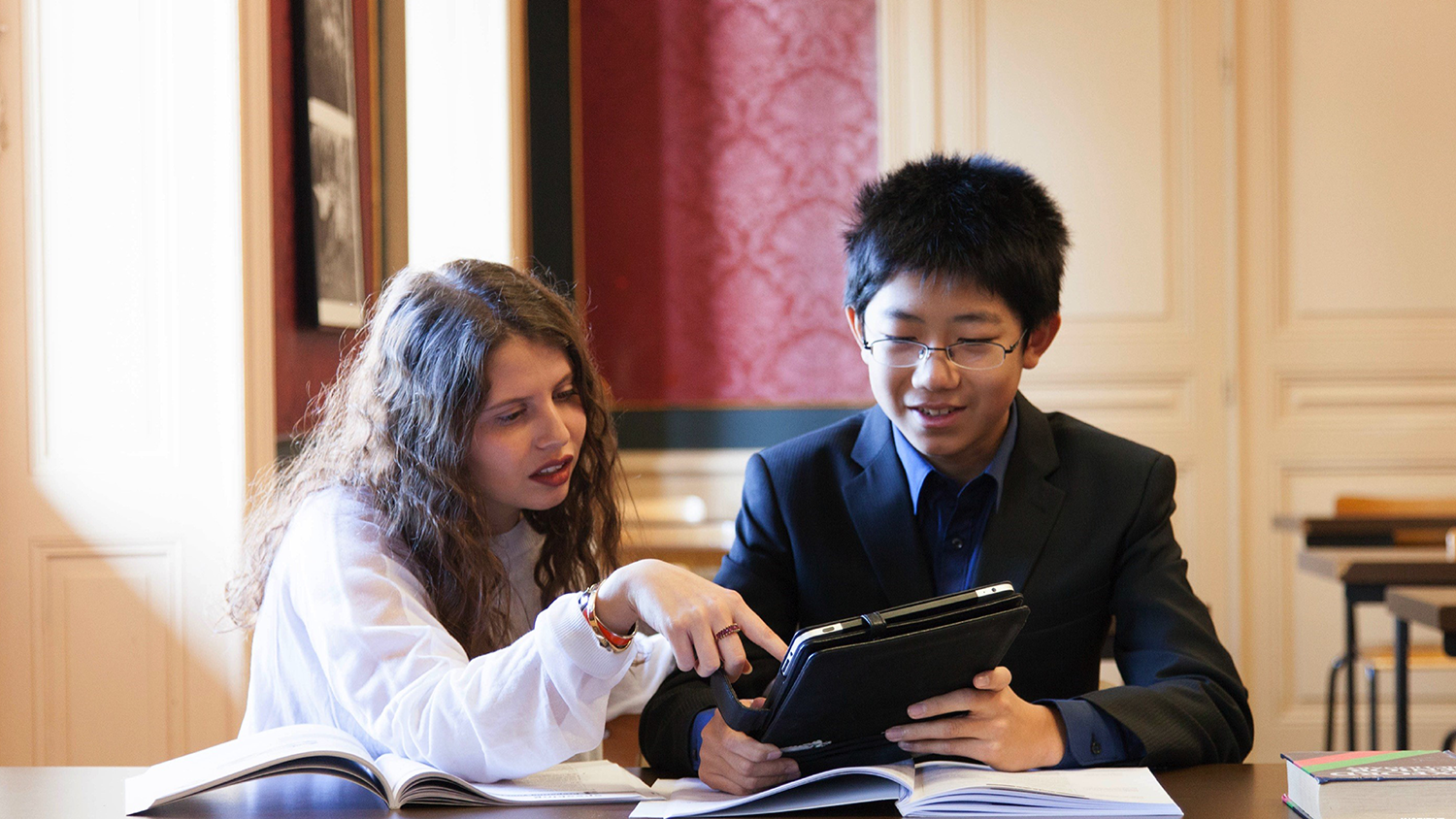
Each age offers specific advantages for joining an international school in Switzerland
Enrolling your child from primary school: a gentle start
Enrolling your child in an international school from primary school offers a major advantage: early language immersion. Before the age of 7 or 8, the brain learns a foreign language without treating it as a school subject. The child absorbs sounds, rhythm and grammar while playing with his classmates. The result: little or no accent, an oral fluency that settles in naturally, and a bilingualism that becomes an invisible foundation rather than an effort to be produced every day.
Beyond the language, international primary school lays a different methodological foundation from the traditional system: encouragement of oral expression from an early age, work in small groups, project-based learning, and a place given to curiosity. These reflexes remain acquired for the rest of schooling.
The other advantage of an early start concerns the cultural dimension. Starting in kindergarten, rubbing shoulders with classmates from all over the world is becoming a normality. The child develops an openness that cannot be taught, but that is lived on a daily basis.
Haut-Lac International Bilingual School is a good example of this approach, with a continuous French-English bilingual course from kindergarten to secondary school that allows the child to progress in a stable and coherent environment.
Entering high school: a strategic step
Secondary school corresponds to a decisive moment: it is the stage at which the international curriculum is chosen, which will guide access to higher education. Three main paths coexist in Swiss international schools, each opening up to a specific type of university system.
The International Baccalaureate (IB) remains the most universally recognized degree. Recognized by universities around the world, it is aimed at families whose university destination has not yet been decided or who wish to keep as many options open as possible.
The British programs (IGCSE then A-Levels) are suitable for families aiming for higher education in the Anglo-Saxon system, particularly in the United Kingdom. They favour early specialisation in three or four subjects.
The American programs (High School Diploma + Advanced Placement) prepare students for North American universities, with a more multidisciplinary approach and an increased emphasis on extracurricular activities in the application file.
At this age, the child enters a more demanding schooling, with increased autonomy. Integration into an international school in secondary school is particularly suitable for families whose international mobility project is taking shape, or for teenagers ready to evolve in a structuring multicultural environment.
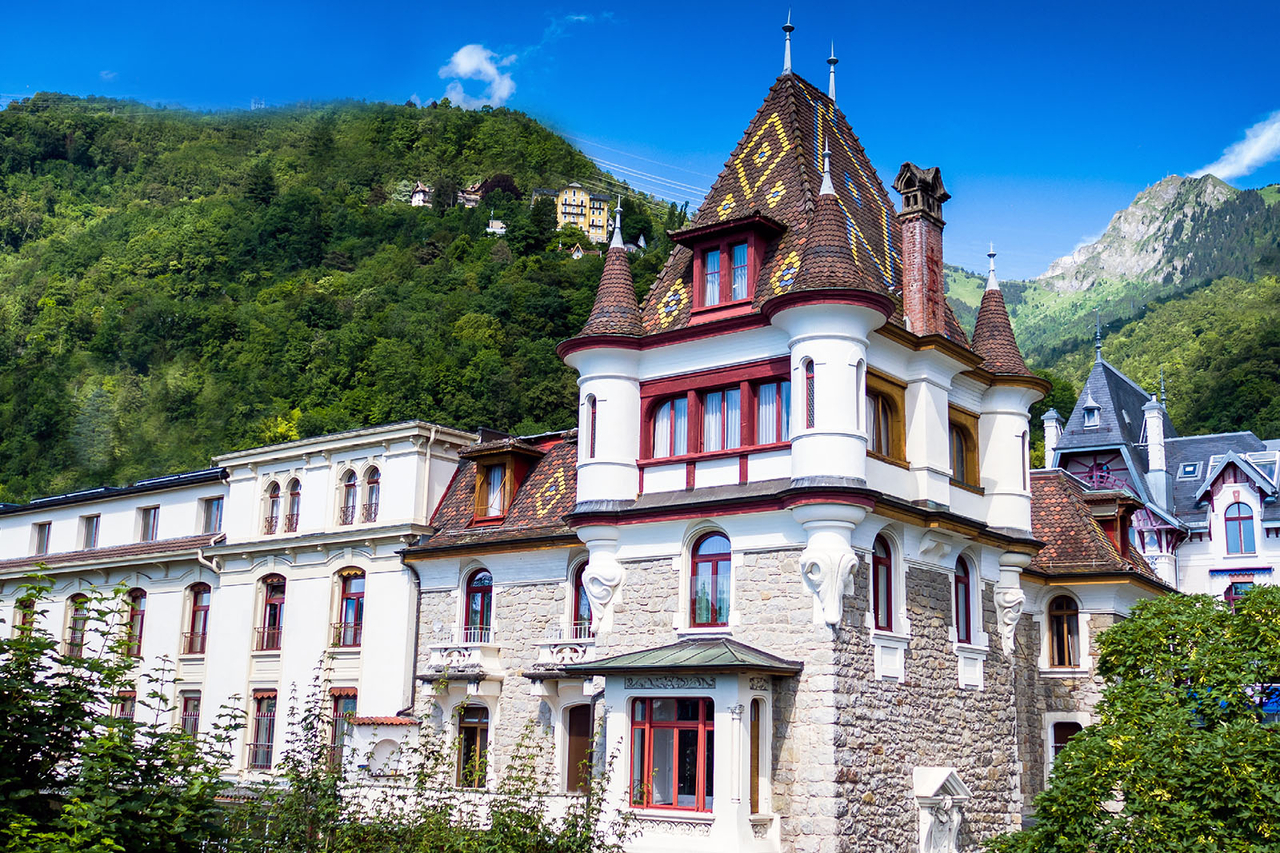
The Monte Rosa Institute has been providing a highly personalized educational experience since 1874, with a wide range of programs (American High School, British A-Levels, Swiss curriculum) and an international boarding school that makes it easy for students arriving from abroad to adapt. The continuity offered by Haut-Lac International Bilingual School also remains an option for families already engaged in a bilingual course.
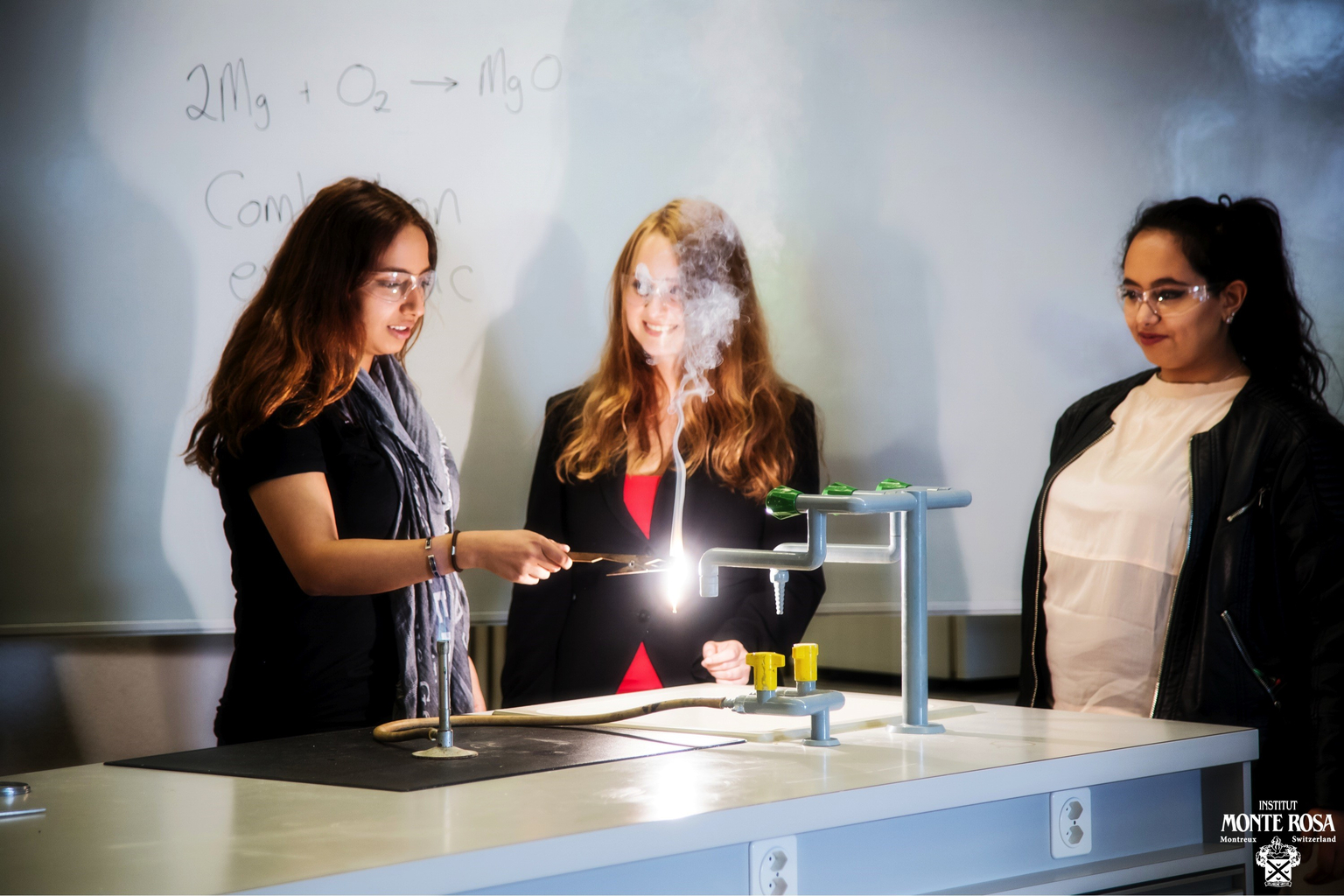
Secondary school, a decisive step in the choice of the international curriculum
The post-baccalaureate option: joining a Swiss university
The post-baccalaureate represents another gateway, often underestimated. Switzerland is home to several international higher education institutions that cover different fields: hospitality management, international business, and a general American university. Three main profiles of establishments coexist in the region, each with its own positioning.
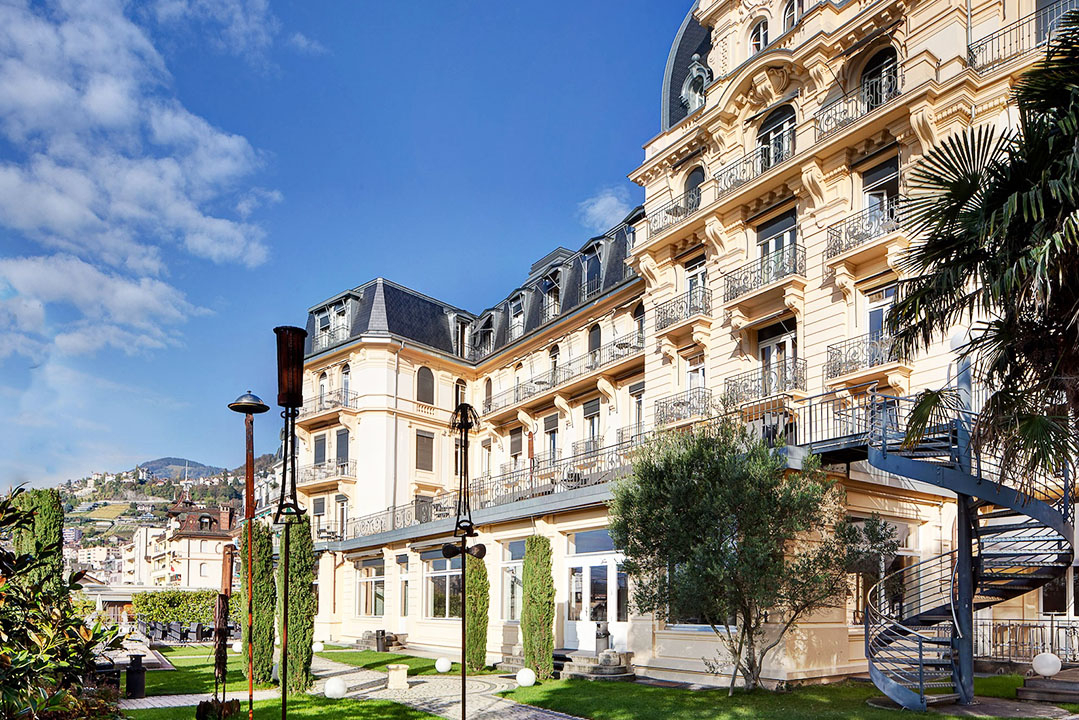
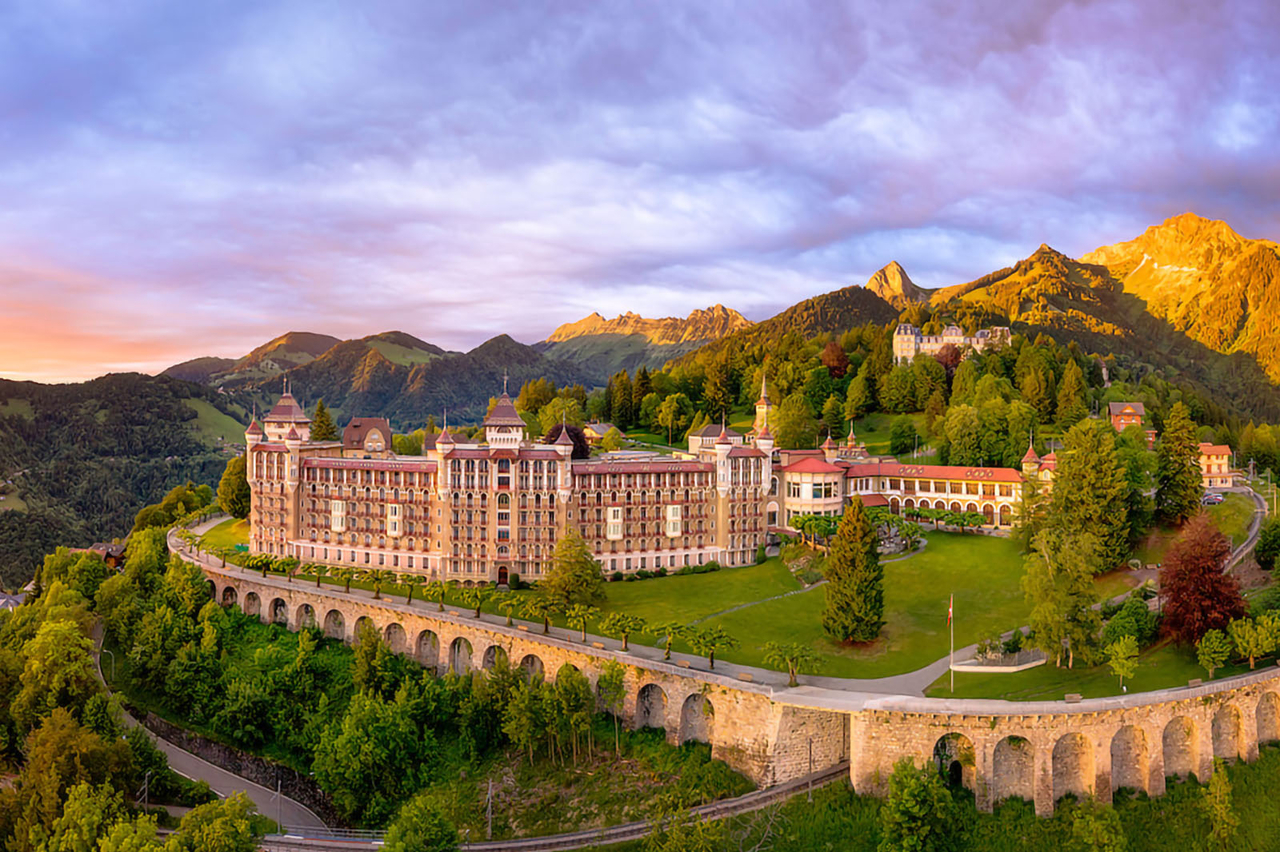
For hospitality management and hotel education, the Glion Institute of Higher Education and the SHMS - Swiss Hotel Management School are international references. Glion prepares students with the professional know-how and interpersonal skills required by employers in the industry. The SHMS offers training that merges the Swiss hotel tradition with current trends in the sector, on its historic campuses in Caux and Leysin.
For international business, HIM Business School is an international business school based in Montreux, organized around four majors: marketing, finance, hospitality and management. The school is in the process of being recognized as a Higher School (ES) with a federal diploma in business administration.
For a U.S. university degree in Switzerland, Pepperdine University offers an international program with small class sizes and personalized support, at a leading U.S. university with six international campuses.
How to prepare for the transition according to your child's age?
Preparation for integration varies significantly depending on the level of entry. The younger the child, the more naturally the adaptation takes place; the older he is, the more linguistic and methodological preparation matters.
For an entry into primary school, the main thing is the emotional aspect and the rhythm. The child needs to feel safe before feeling efficient. A prior visit to the school, meetings with future teachers and benevolent support at home are generally enough to make the transition smoother.
To enter secondary school, it is useful to:
- Assess the language level beforehand, ideally through a placement test
- Choose the curriculum according to the university project envisaged
- Consider the boarding option according to family and geographical situation
- Preparing the adolescent for a demanding multicultural environment
- Anticipate possible methodological gaps to be filled before the start of the school year
For the post-baccalaureate, the decision is more a matter of professional choice. Higher education schools apply their own admission criteria: level of English (often IELTS or TOEFL), academic record, cover letter, sometimes interview. The choice between a Bachelor's degree and a Master's degree depends on the course already completed, and the importance of integrated internships varies depending on the course. An upstream exchange with the admissions department of the targeted school allows the project to be aligned with real expectations.
The right age to enrol a child in an international school in Switzerland is not a question of timing, but of consistency with his or her profile and family project. Primary for a natural immersion, secondary for a choice of strategic course, post-baccalaureate for an international specialization: each level has its own logic. The Montreux Riviera region is home to institutions that cover these three key moments, with recognised expertise in international education.