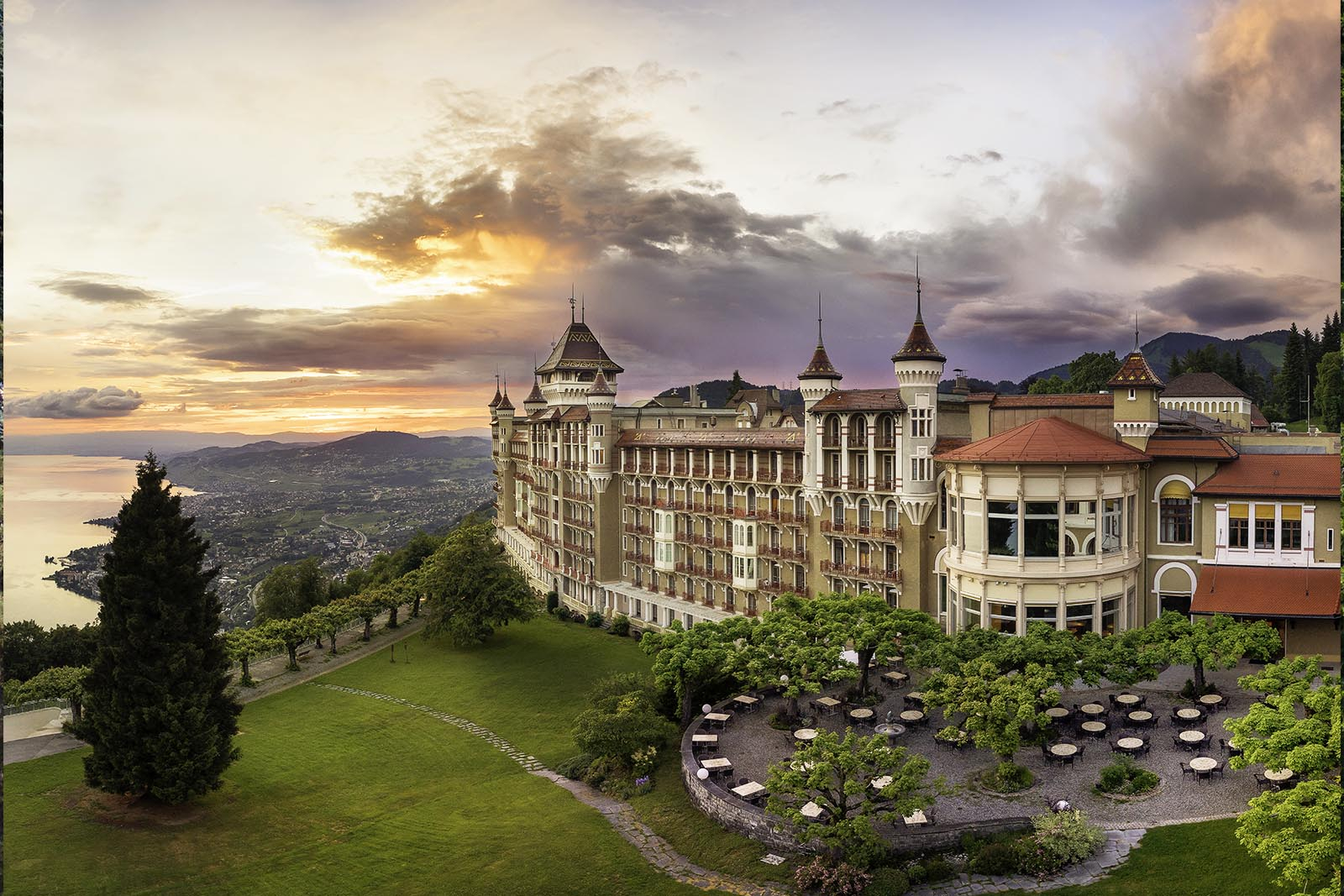
What can an international student do after graduation to stay working in Switzerland?
By Antoine C.
Graduating from a Swiss international school is a step. Staying in Switzerland to start your career is another, framed by precise rules.
Student residence permits, gateways to the world of work, pathways to university pursuits: here is an overview of the options available to an international student at the end of his or her studies.
What status does an international student have while studying in Switzerland?
For the duration of their studies, a non-Swiss and non-European student has a temporary residence permit (B student permit) issued by the canton of residence. This permit is linked to enrolment in the institution and covers the entire duration of the course, with an annual renewal. It authorises limited ancillary work, generally to 15 hours per week during the academic year, and without restriction during the school holidays after six months of actual residence.
EU and EFTA nationals benefit from a more flexible regime, with easier access to the labour market as soon as they graduate thanks to the Agreement on the Free Movement of Persons.
At the end of the course, this student permit expires. It is at this precise moment that the question of staying on Swiss territory arises, which will depend on the professional or academic project envisaged.

Several options are available to an international student at the end of his or her studies in Switzerland
The six-month period for looking for a job after graduation
Upon graduation, an international student who has graduated from a Swiss higher education institution can apply for a six-month residence permit to look for a job. This provision, provided for in the Federal Act on Foreigners and Integration, aims to provide a concrete window for finding a position corresponding to the course followed.
During these six months, the graduate may legally reside in Switzerland and carry out an ancillary activity limited to 15 hours per week. The application must be made to the cantonal population service before the expiry of the current student permit.
To transform this research stay into a work permit, several conditions must be met. The job offered must correspond to a higher economic interest for Switzerland: these are generally qualified positions in sectors in demand, where the local or European workforce is not sufficient. The employer must demonstrate that it has been looking for a Swiss or European candidate without success. Remuneration and working conditions must be in line with industry practice.
Profiles trained in Switzerland and local opportunities
The higher education institutions of the Vaud Riviera train graduates whose profiles correspond to several concrete needs of the Swiss market, in fields where obtaining a work permit is more accessible.
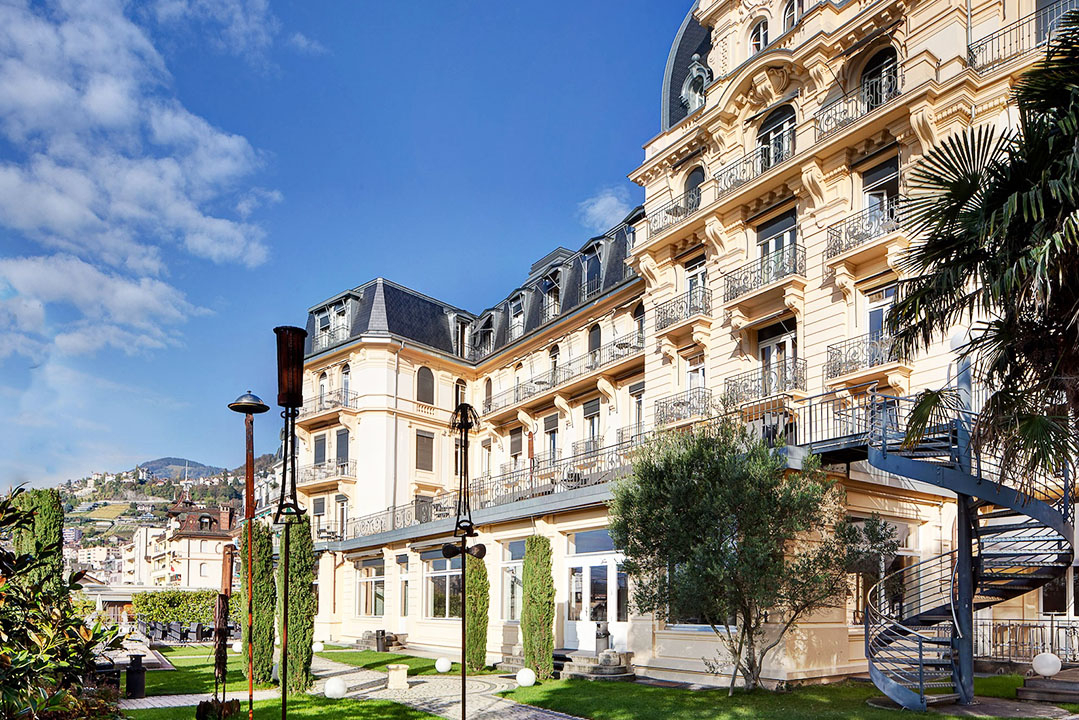
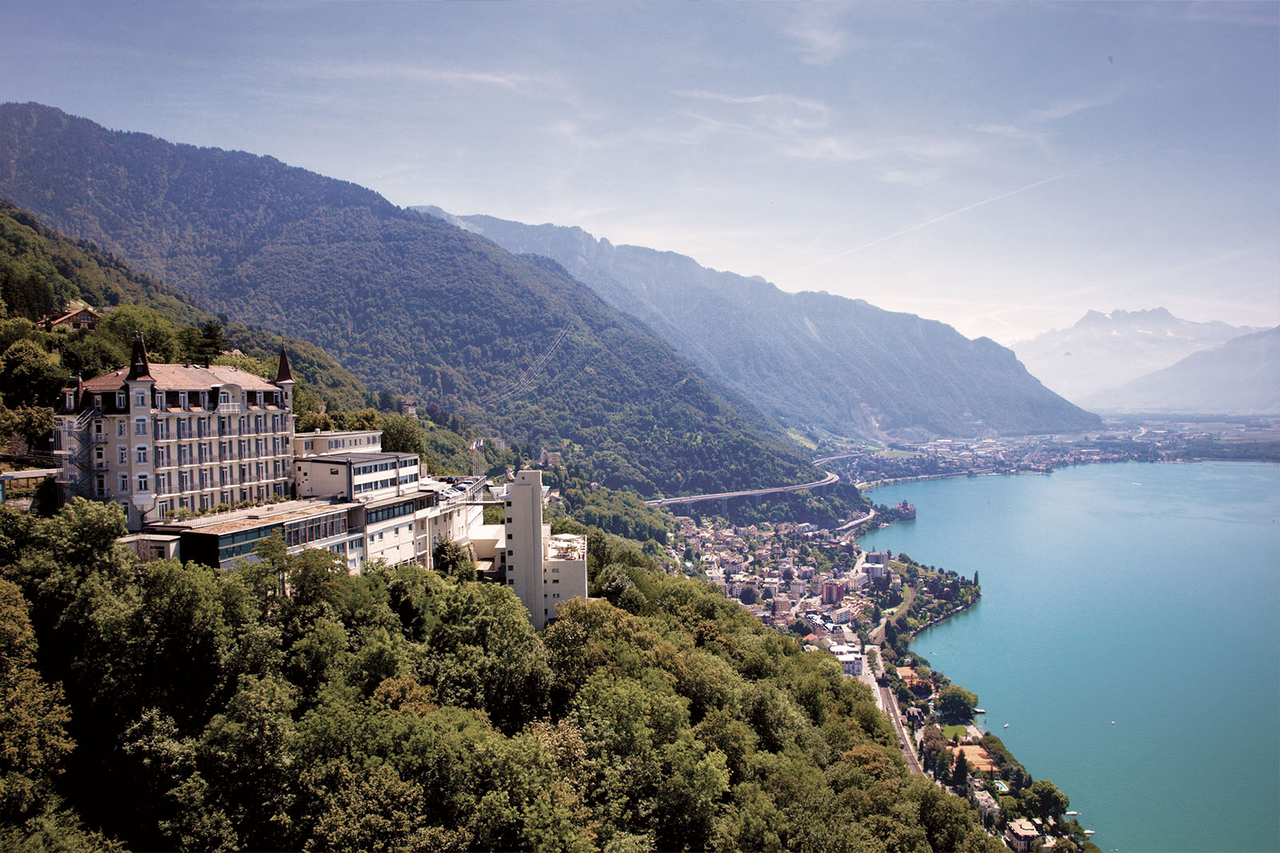
In the luxury hotel sector, graduates of the Glion Institute of Higher Education and the SHMS - Swiss Hotel Management School find direct opportunities within the Swiss hotel fabric. Glion is an international reference in hotel and luxury education, and the SHMS trains in hospitality management in the Swiss hotel tradition, with courses combining academic studies and internships in companies.
In international business, the HIM Business School prepares students for careers in marketing, finance and management. This business school based in Montreux, which is in the process of being recognised as a Graduate School (ES) with a federal diploma in business economics, opens up opportunities in the Swiss economic fabric, particularly in qualified positions where dual linguistic and international skills are valued.
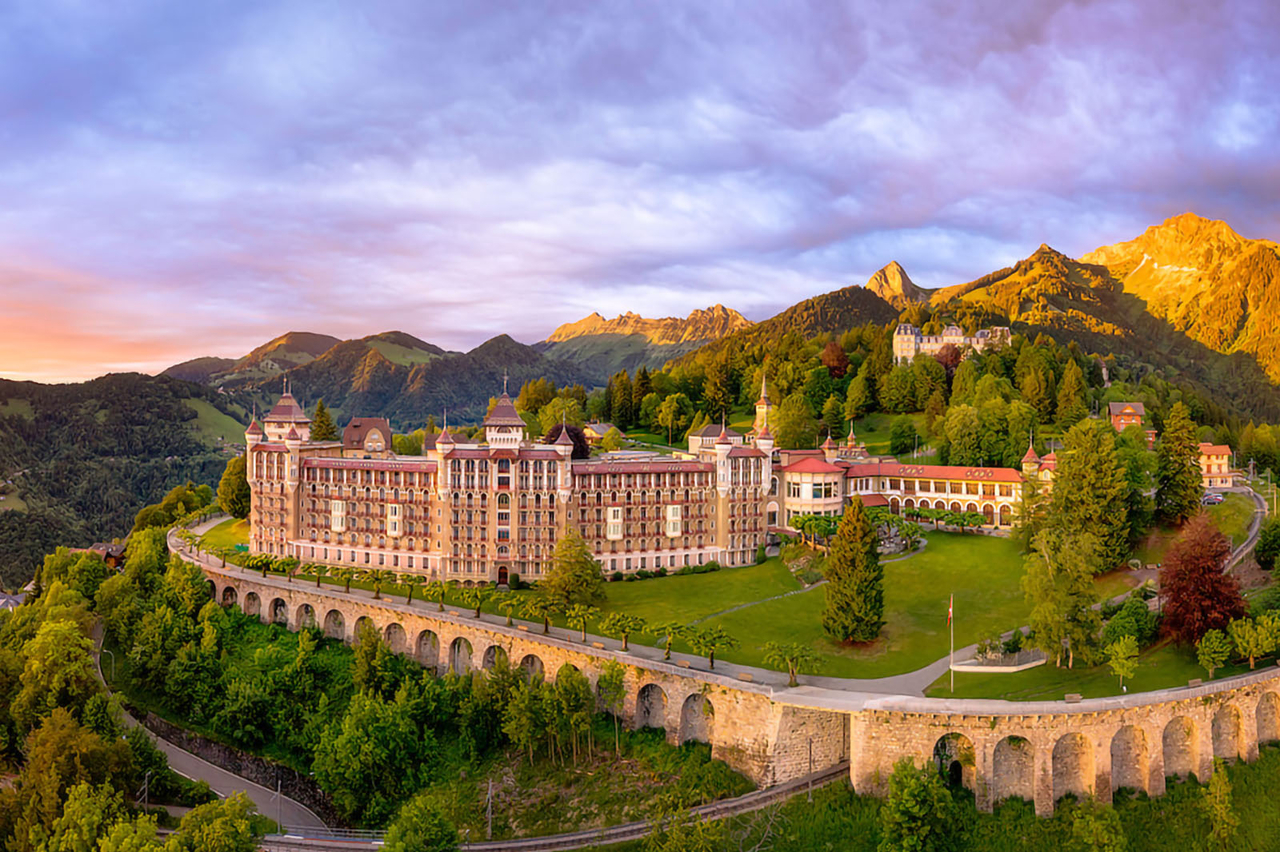
For secondary school graduates from Haut-Lac International Bilingual School who continue their studies in Switzerland, there are also many pathways to higher education or apprenticeships, in particular thanks to the French-English bilingual profile and the international recognition of the International Baccalaureate.
Internships and professional integration programs
Even before the end of the course, several Swiss international schools include mandatory internships in companies in their curriculum. These periods in the workplace are often the first gateway to sustainable employment.
The internships provided for in the course benefit from a simplified administrative framework: they are attached to the student permit and do not require any additional steps as long as the duration and conditions are in accordance with the study plan. At the end of the course, an employer who is convinced during the internship can offer an employment contract, which will then open a classic work permit procedure.
This approach is particularly developed in the region's higher education institutions. Glion Institute of Higher Education and the SHMS - Swiss Hotel Management School build their curricula around an alternation between academic training and field experience, which creates concrete bridges with employers. The HIM Business School also integrates role-playing and internships into its program, in connection with its four majors (marketing, finance, hospitality, management).
Continuing your studies, with a gateway to university or a higher education course
Another option is to extend your studies in Switzerland. This route allows you to keep your student permit while broadening your academic profile before entering the job market.
Several configurations exist. Bachelor's degree graduates can continue on to a Master's degree at the same school or at another Swiss institution. Graduates of an international secondary school can join a specialized college directly. Gateways to cantonal universities are also possible, subject to recognition of the original diploma and sometimes additional examinations.
For students from an international secondary school, Haut-Lac International Bilingual School prepares students for the International Baccalaureate, a diploma recognized by Swiss universities that facilitates this academic transition. Higher education institutions such as SHMS, HIM Business School and Glion offer multi-cycle courses (Bachelor's and Master's degrees) that naturally extend the stay in Switzerland.
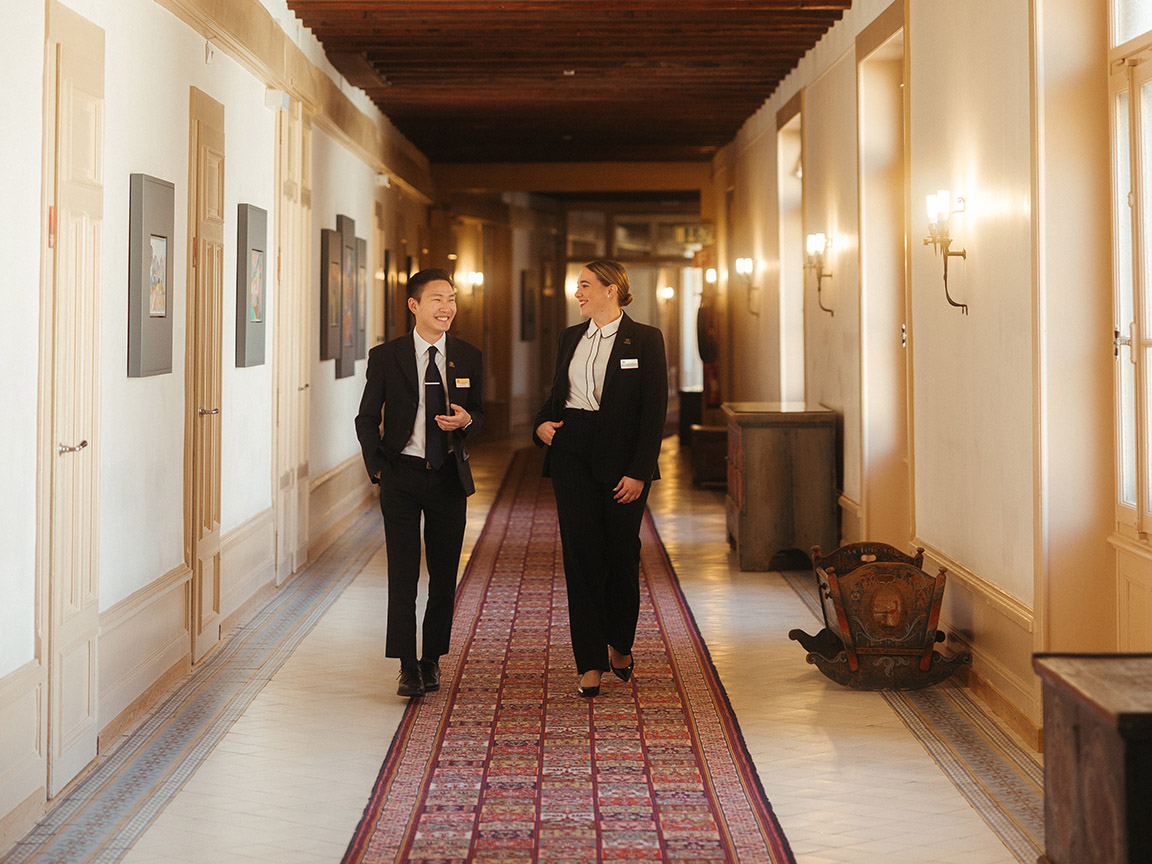
There are many bridges between studies and employment in the specialized sectors of the Riviera
Practical advice to anticipate the post-graduation period
Preparing for the transition from the end of studies to professional life in Switzerland requires anticipation, ideally in the last year of the course. Several reflexes facilitate this transition.
Building a professional network during studies remains an essential lever. International schools regularly organise job fairs, meetings with recruiters and alumni events that open up direct contacts with employers in the sector.
Identifying sectors in tension allows you to target research on areas where obtaining a work permit is more likely. High-end hospitality, hospital management, healthcare, finance, science and engineering are regularly among these sectors.
Preparing a solid administrative file is essential at the time of the permit application. Translated diplomas, internship certificates, letters of recommendation, language level certificate (French, German or English depending on the canton): these documents speed up the examination of the file by the cantonal authorities.
Anticipating the procedures at least three months before the expiry of the student permit avoids breaks in administrative status, which can complicate the rest of the process.
Staying to work in Switzerland after an international degree is possible but requires a clear strategy and a good reading of the administrative framework. Schools in the region train graduates whose skills often match the needs of the Swiss market, which is a concrete advantage in the process of obtaining a work permit. Anticipating, building your network and preparing your application in advance remain the three keys to a successful transition between the end of studies and the beginning of your career on Swiss soil.